 It is difficult to place into a neat and tidy box custard-meister Jim Sheridan’s relatively novel restaurant concept Unforked (7337 W. 119th St., Overland Park, Kan. 66213). Is it a health food place? There is a salad premised wholly upon kale, after all. A Mexican joint? So much, it seems, is served within the confines of a taco (or quesadilla). For years, Sheridan dazzled us with dessert. We waited in long lines outside, enduring blistering heat and other elements, for delicious custard strewn with fruits, candies and various other mix-ins. With Unforked, however, Sheridan is reeling us in by simply making good food, fresh, with seasonal and/or local ingredients (to the extent possible).
Unforked is wholly casual in its approach. There is a drive-thru. Inside, food is ordered at a counter, from helpful clerks who are ostensibly “true believers” in the Unforked concept and product. Lines can be long, particularly at peak dinner times. Buzzers are given to diners, who are then (on busy nights) relegated to the mad scramble for somewhat limited seating in the bright dining area — where the walls are lined with white siding, as would appear on a house exterior. Televisions flash overhead. After the buzzers sizzle, diners return to the front of the restaurant to retrieve orders. Geez, whatever happened to sitting down and being waited upon? That said, the food at Unforked is generally well worth the effort.
Be ready for the cute names of menu items — including both salads we tried. Hail the Kale ($4.50, $7.50) was a simple and fresh salad in which kale (a spinach-like leaf, of sorts) was simply and effectively dressed with a light, lemon olive oil dressing and just enough parmesan cheese. The Thai Me Up ($4.50, $7.50) was a more complicated, but frankly terrific blend of juicy mangoes, carrots, string beans, coconuts and peanuts —interspersed with a strong cilantro essence that was a bit much for my taste (given a profound disposition against that particular herb, in all candor). As an appetizer, we also tried the Chipz ($1.70), an economical snack basket of house-made tortilla, taro and plantain chips, served with two “flavors” for dipping — out of a dozen possibilities. The habanero ranch we chose was only fair, with its odd aftertaste (and lack of creaminess that characterizes the best ranch versions). The creamy-avocado-cilantro sauce was superb, however — even with the shading of the dreaded cilantro.
Having grown up on Winsteads and Town Topic, and rounded out adulthood with Westport Flea Market and its fine burgers, the Unforked Pure Burger ($4, $6 for a double) failed to measure up. Though made from quality Angus beef sirloin, the patty was rather thin and lacked the heartiness and flavor of the better burgers in town. It’s less greasy, though, and presumably healthier — if those sorts of things matter. We preferred the Veggie Burger ($4.30), which was actually a delicious, perfectly grilled and marinated Portobello mushroom sandwich. The fries, deemed K Fries ($1.70), did measure up to those served at some of the better burger joints — small, crispy and satisfying.
What Unforked does quite well — and serves in intriguing varieties — is tacos (with either whole wheat, white corn or flour tortillas — all soft shell renditions). We sampled many of the offerings — some, again, riddled with cutesy names. The Pink Lady ($3.30), included tender steak contrasted with interesting, pickled red onions and queso fresco cheese. The Conquistador ($3.50), also featured the steak and was a little spicy, with a very well-executed chimichurri (a marinade with roots in Argentinean cuisine) and “blistered” onions, along with a bit of the queso fresco cheese. The Fundido Sirloin ($3.50) was like a Philly cheese steak on a taco, in essence — a pretty good one, too. The Cali ($3.50) included superior seared tilapia, with the stellar creamy avocado-cilantro sauce and pickled red cabbage slaw. This tilapia would have stood comfortably on its own as an entree at a (sit down?) restaurant that featured quality seafood.
The one chicken dish we tried, The BFF ($3), was the most Americanized Mexican taco we tried, with good grilled chicken simmered in salsa verde, with refried black beans and queso fresco cheese. Unforked does a very nice — albeit simple —Cheesy Quesadilla ($3.20), and an even better Veggie Quesadilla ($3.20), featuring many of the fine, grilled vegetables and ingredients offered within the array of tacos, laden with nice, ripe avocado.
Obviously, we had to have dessert. We knew Unforked would excel in that realm and we sampled three. Our favorite was the Wedding Cake Custard, though we were also immensely fond of the Chocolate Kiss ($3.50, $4.50, $5.20). The Wedding Cake Custard tasted like really good custard, for a couple bites — no real surprise, there. Then, we hit some icing. And some cake. And some more icing. Wow. The Chocolate Kiss was more “Ben and Jerry’s” in its approach, with chocolate chunks and chocolate chip cookie dough. Really excellent Ben and Jerry’s, though. We liked the flavor of the most unusual dessert that we tried, the Ricotta Pistachio Shake ($3, $6), and it was crammed with pistachios. It was a little thin, though, as shakes go.
We would undoubtedly come back for the food, rooted in fresh, quality ingredients. But we would stay, day after day, for the dessert. After all, this is Sheridan’s place.
Food: 3 stars
Service: 3 stars
Atmosphere: 2½ stars
Out of four stars



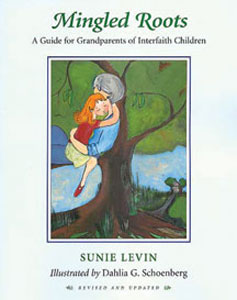 “I go to Grandma and Grandpa Brown’s for Christmas, help trim the tree, sing carols and then get a lot of presents. And then we go to Grandma and Grandpa Friedman’s to light the Chanukah candles, bake Chanukah cookies and get presents for eight nights,” bragged Josh Solomon, age 6, of New York City to one of his first-grade friends. “That’s not fair,” his friend responded, “I only get presents on one day.”
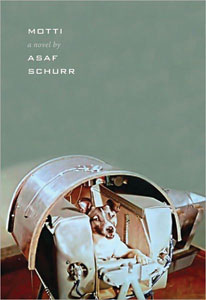 Two new novels by Israeli authors have recently been published in the Dalkey Archive Press Hebrew Literature Series. The first, “Motti” by Asaf Schurr is a low-key tale of a stereotypical loser. Motti, an elementary school teacher, lives alone with his dog, Laika. The only excitement in his life comes from his daydreams about falling in love with his neighbor and his regular Wednesday night outings with his friend Menachem. Menachem, on the other hand, is a boisterous drinker with a wife and two children. When, on the way home from the café, Menachem hits and kills a woman, Motti doesn’t think twice about claiming responsibility for the accident. After all, Menachem has a family to support. Motti has nothing.
 In Gabriela Avigur-Rotem’s “Heatwave and Crazy Birds,” a not-so-young woman is returning to Israel more than 25 years after she ran away. Loya Kaplan has inherited from her father’s colleague and friend the house in which she grew up. And it appears that most of her school friends are still living in the same neighborhood — some married, some divorced, and all curious about where she has been for 25 years. As the novel unfolds, the reader learns of Loya’s complicated relationships with her father, his friend Davidi, and Davidi’s son Nahum.